Knowledge Base

Buying a Used Subwoofer: What to Inspect Before You Commit

Published 2026-10-18 ·

When you buy a used subwoofer, the driver and enclosure tell you more than the badge. Ask for a clear photo of the cone and surround — foam surrounds degrade and paper cones crease after moisture exposure. Press gently on the cone (with the seller's permission, or request a video): it should move freely without scraping, which would indicate a shifted voice coil. Check the cabinet for corner separation, water swelling in MDF and re-glued seams; those point to drops or damp storage. On powered subwoofers, confirm the amp plate works through its full input range and listen for hum or crackle at idle. Test both the line and speaker-level inputs where fitted, and let it run at moderate level for several minutes to reveal thermal faults. Original grille, feet and connectors matter for resale. A subwoofer that passes these checks is a sound commercial buy; one that fails any of them is a parts unit.

Related equipment

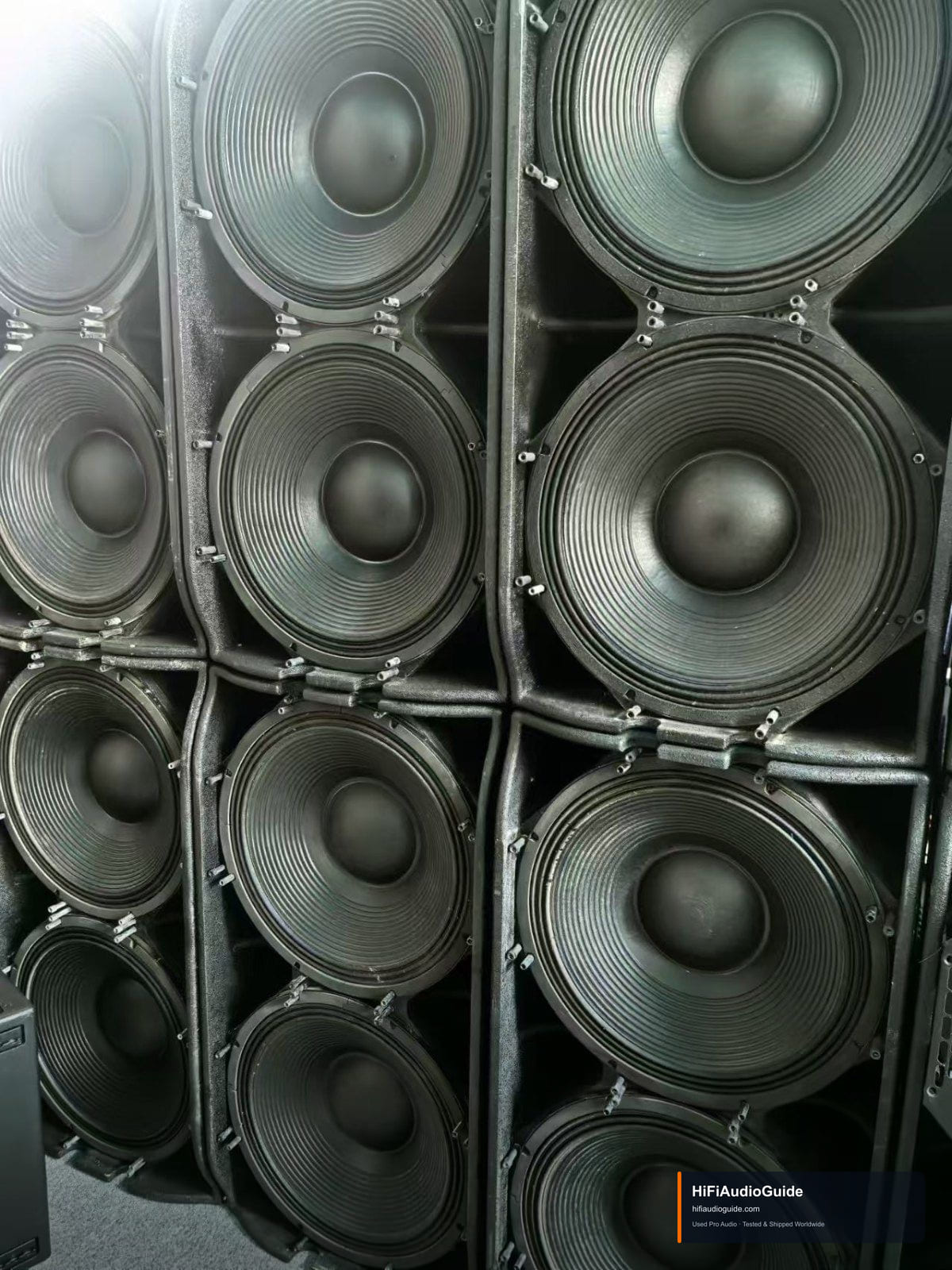
Used Professional Subwoofer Cabinets — Stacked Large-Cone Units with Rigging Hardware (Brand/Model Unconfirmed) NEW
Subwoofers

Used Professional Subwoofer Cabinets — Stacked Large-Cone Units with Rigging Hardware (Brand/Model Unconfirmed)

Stack of used professional subwoofer cabinets in black textured finish, each fitted with a large direct-radiating cone woofer with ribbed cone and large dust cap. Metal rigging and frame fittings are visible on the cabinets. Units show visible dust and clear signs of use; no legible brand or model markings are visible in the photos, so the exact model cannot be confirmed from the images.

Ask for Price View Details

Back to knowledge base